Axel Föhl – Half a Century of Preserving Industrial Heritage
What does it mean to view industrial heritage as cultural heritage whilst at the same time shaping it for a new future?
In this interview, Axel Föhl, one of the key pioneers of industrial heritage conservation in Germany, describes his contribution to establishing a field that had long been underestimated. Since the 1970s, he has championed the view that factories, machine halls and winding towers should be understood not as obsolete relics, but as complex testimonies to technical, social and economic developments.
In this interview with a contemporary witness, Föhl describes the preservation of industrial heritage as an interdisciplinary task that goes beyond the mere safeguarding of the physical structure of buildings, combining historical analysis, education and public engagement. At the heart of his approach lies a broader understanding of authenticity, which encompasses not only physical originality but also atmosphere, signs of use and functional contexts. The interview offers an insight into the challenges of making industrial buildings understandable and acceptable, and demonstrates how strategic public relations and careful repurposing can transform former production sites into places that foster a sense of identity.
The film will feature excerpts from an interview conducted by Werner Lorenz and Roland May with Axel Föhl on 22 July 2025 at the Industriesalon Schöneweide in Berlin. It was produced in the context of the central question for SPP 2255: How can we better understand, appropriately evaluate and preserve the structures of High Modernism (c. 1880–1980) for the future?
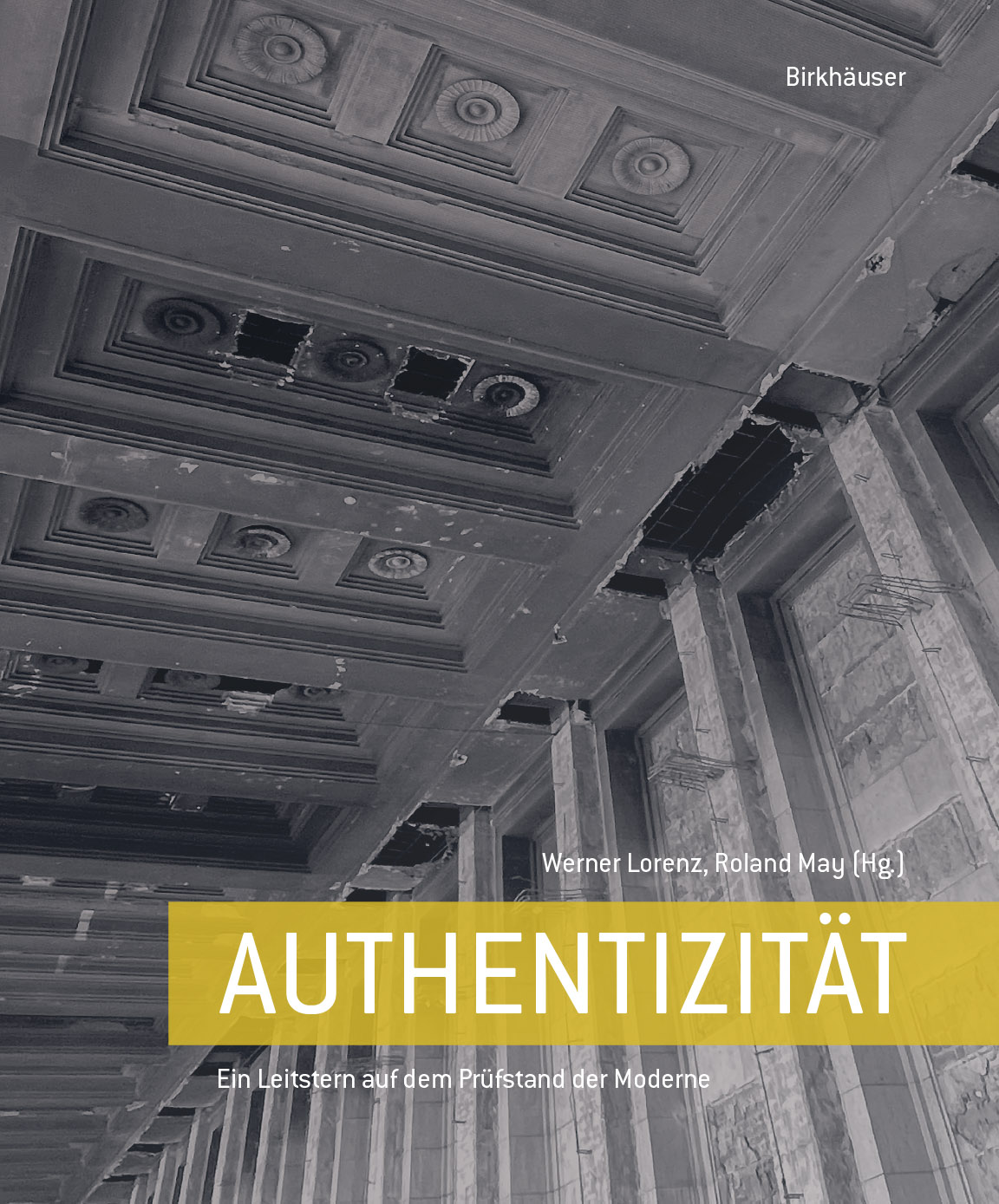
The full interview will be published in the forthcoming volume Authenticity , part of the SPP 2255 series (Cultural Heritage in Construction, Vol. 2).