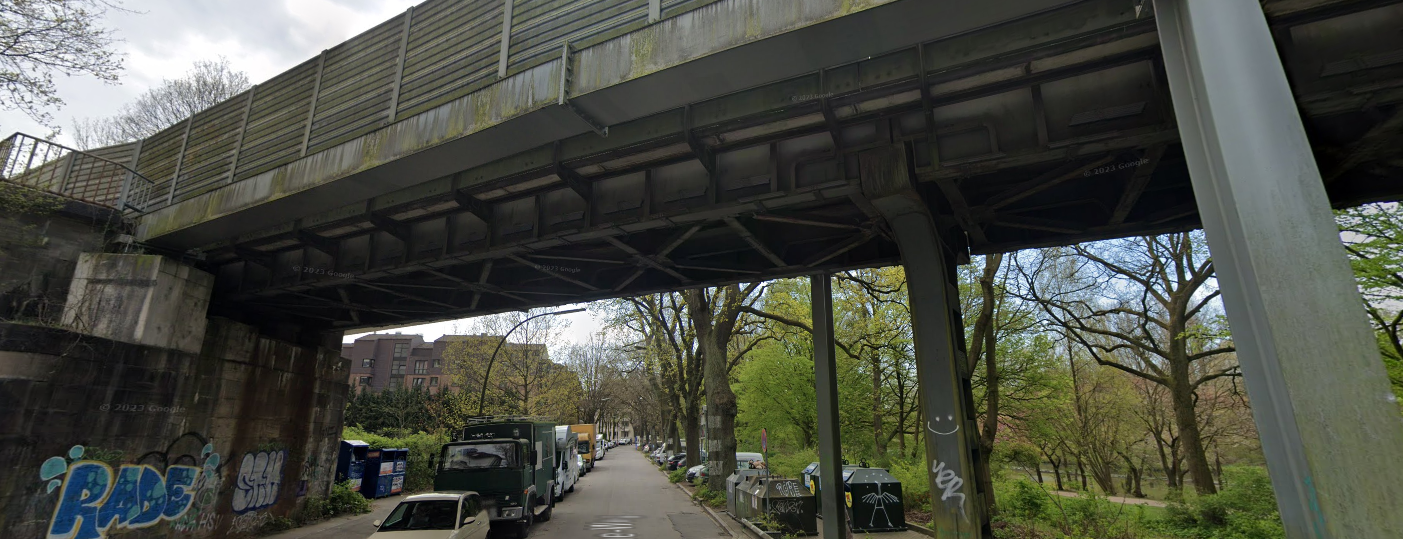
When steel railway bridges reach their projected “service life” or need to be adapted to the increasing demands of the railway network, DB InfraGO AG typically responds by demolishing them and building new ones. This results in the loss of valuable resources—not only from an environmental and architectural perspective. Building a replacement structure often involves higher construction costs than continuing to use the existing structure after retrofitting it. This is a key consideration given the enormous challenges associated with the urgently needed modernization of Germany’s rail infrastructure. The “build-new” paradigm is under scrutiny, especially since innovative measures have recently been developed in research that enable historic steel bridges to meet future requirements.
But how can we make a well-founded decision between preservation and replacement in a specific case without simply perpetuating traditional ways of thinking? And how can we appropriately take into account not only technical and economic requirements but also architectural and cultural values and environmental impacts in order to make railway bridge construction more sustainable?
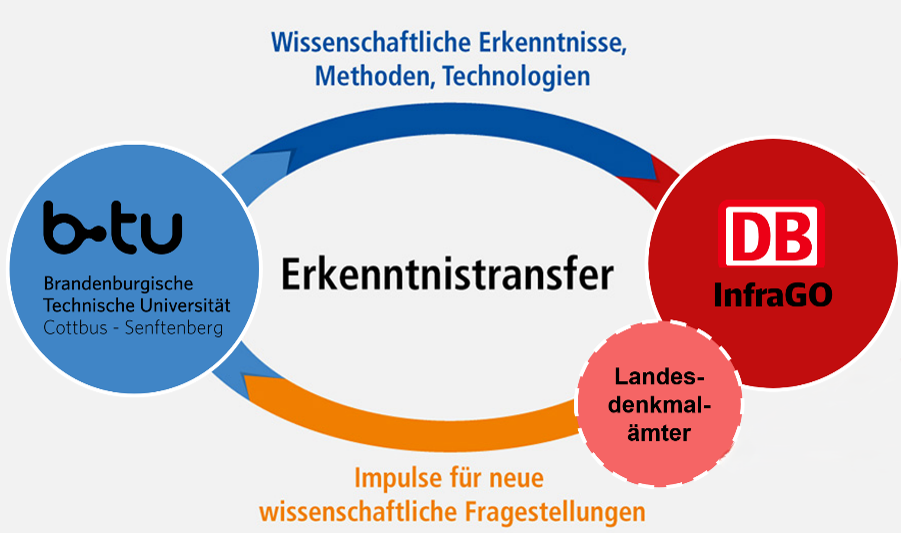
These questions are the focus of the knowledge transfer project “Decision Support for Managing Existing Steel Bridges in the Deutsche Bahn AG Network,” funded by the German Research Foundation (DFG), or EBBS_rail for short. The 18-month project began on August 1, 2026, and is being carried out under the direction of Prof. Werner Lorenz, Ph.D., at the BTU Cottbus-Senftenberg in cooperation with DB InfraGO AG. Dr.-Ing. Clara Jiva Schulte serves as the project director. EBBS_rail is affiliated with the DFG Priority Program 2255 “Cultural Heritage in Construction.”
The scientific foundations for EBBS_rail were developed as part of the DFG Priority Program “Cultural Heritage in Engineering” (SPP 2255) through subproject A2, “Steel Railway Bridges as a Legacy of High Modernism,” based at the BTU.
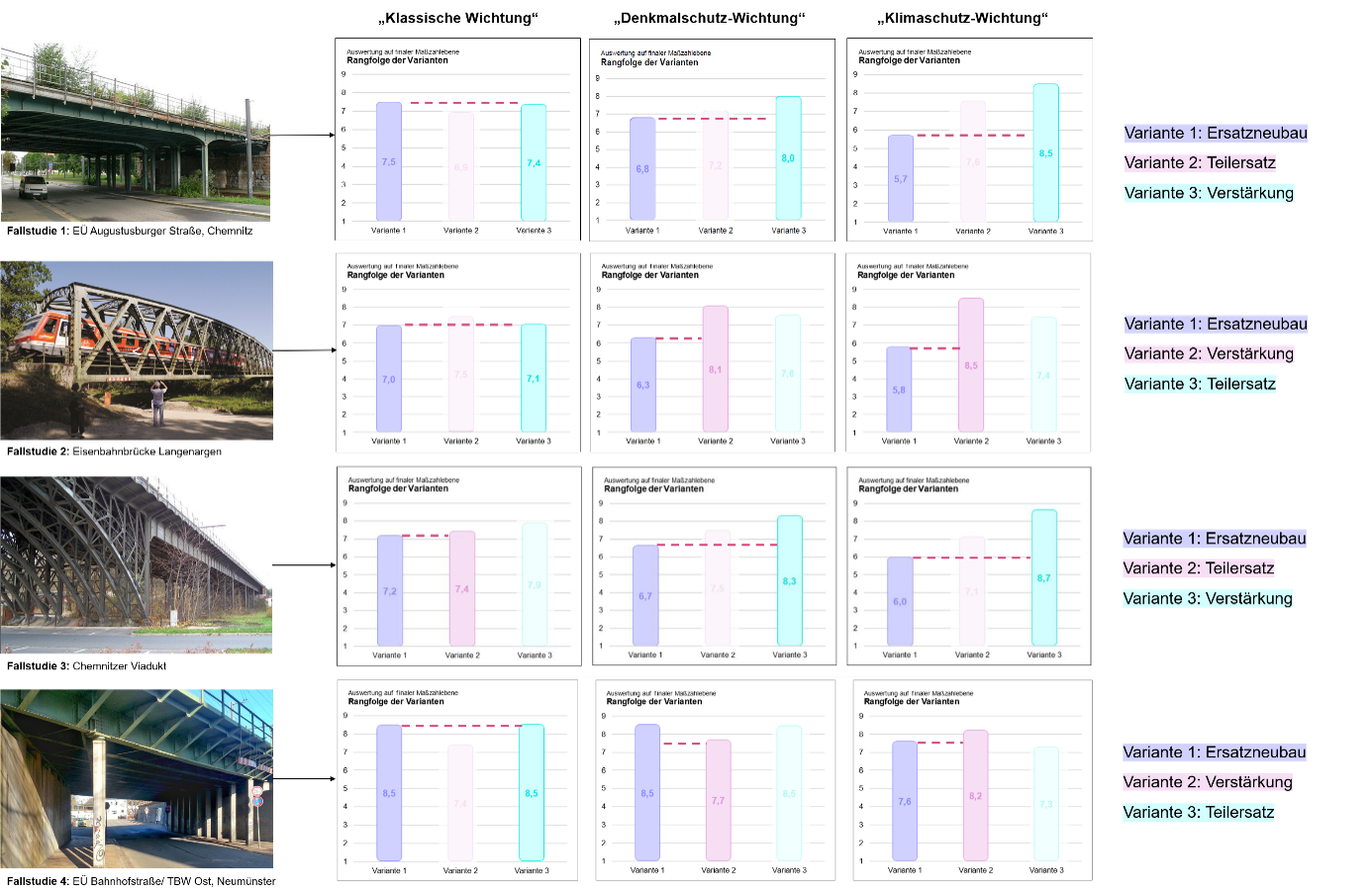
The focus was on developing a comprehensive evaluation approach that allows for the systematic comparison of different options for historic steel railway bridges. In addition, a toolbox was developed that brings together methods and measures for the in-depth examination, evaluation, and retrofitting of existing steel bridges, thereby supporting the development of viable preservation options. The evaluation system and toolbox were tested using four case studies from the Deutsche Bahn network. In addition to the solutions implemented in each case, alternative maintenance and retrofitting options were developed and evaluated comparatively. The studies showed that well-developed, asset-oriented solutions can often compete with new replacements even under predominantly technical and economic constraints.If architectural and ecological criteria are also taken into account, their importance increases even further.
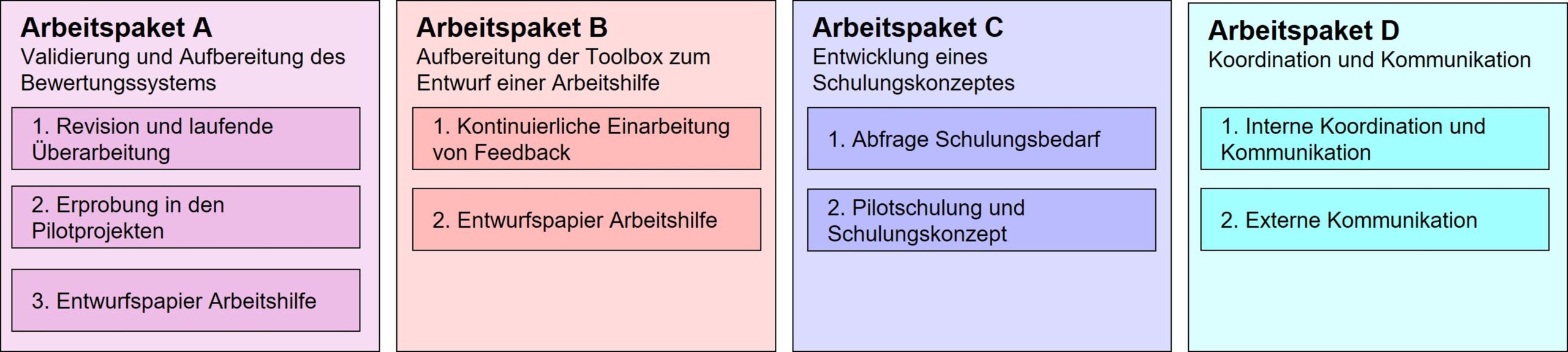
EBBS_rail is designed to put these scientific findings into practice in collaboration with DB InfraGO AG. The goal is to expand the decision-making tool—the basic framework of which was already developed in the previous project—into a practical instrument, so that in the future, solutions focused on existing infrastructure can be systematically incorporated at an early stage into planning and decision-making processes as options equivalent to new construction. The focus is on reviewing and calibrating the evaluation system through three pilot projects on the Deutsche Bahn network, further developing the toolbox, and designing and testing training formats for DB InfraGO AG employees. Using specific bridge structures for which a decision on preservation, retrofitting, or replacement has not yet been made, the project will investigate how the developed approaches can be applied under real-world conditions and where adjustments are needed. Requirements and experiences from various departments within DB InfraGO AG, as well as from planning and historic preservation, are continuously incorporated into the toolbox’s ongoing development. As a practical toolkit, the toolbox is designed to bring together methods, measures, and experiences for managing existing steel bridges. It is intended to assist decision-makers, in particular, in examining the potential of the existing infrastructure at an early stage and in a systematic manner, identifying appropriate preservation and retrofitting measures, and developing robust options for further planning based on these findings.EBBS_rail thus aims to do more than simply provide concrete decision-making guidance for historic steel bridges. The project also seeks to establish positive examples of the added value that an early, shared decision-making framework and the early involvement of all relevant stakeholders can offer when dealing with existing bridges. In the long term, this should help to ensure that preservation and retrofitting are more firmly established in planning and decision-making processes as options on par with rebuilding, thereby promoting a more sustainable approach to the existing bridge inventory.